
Our Projects
Projects Category One
About the Project
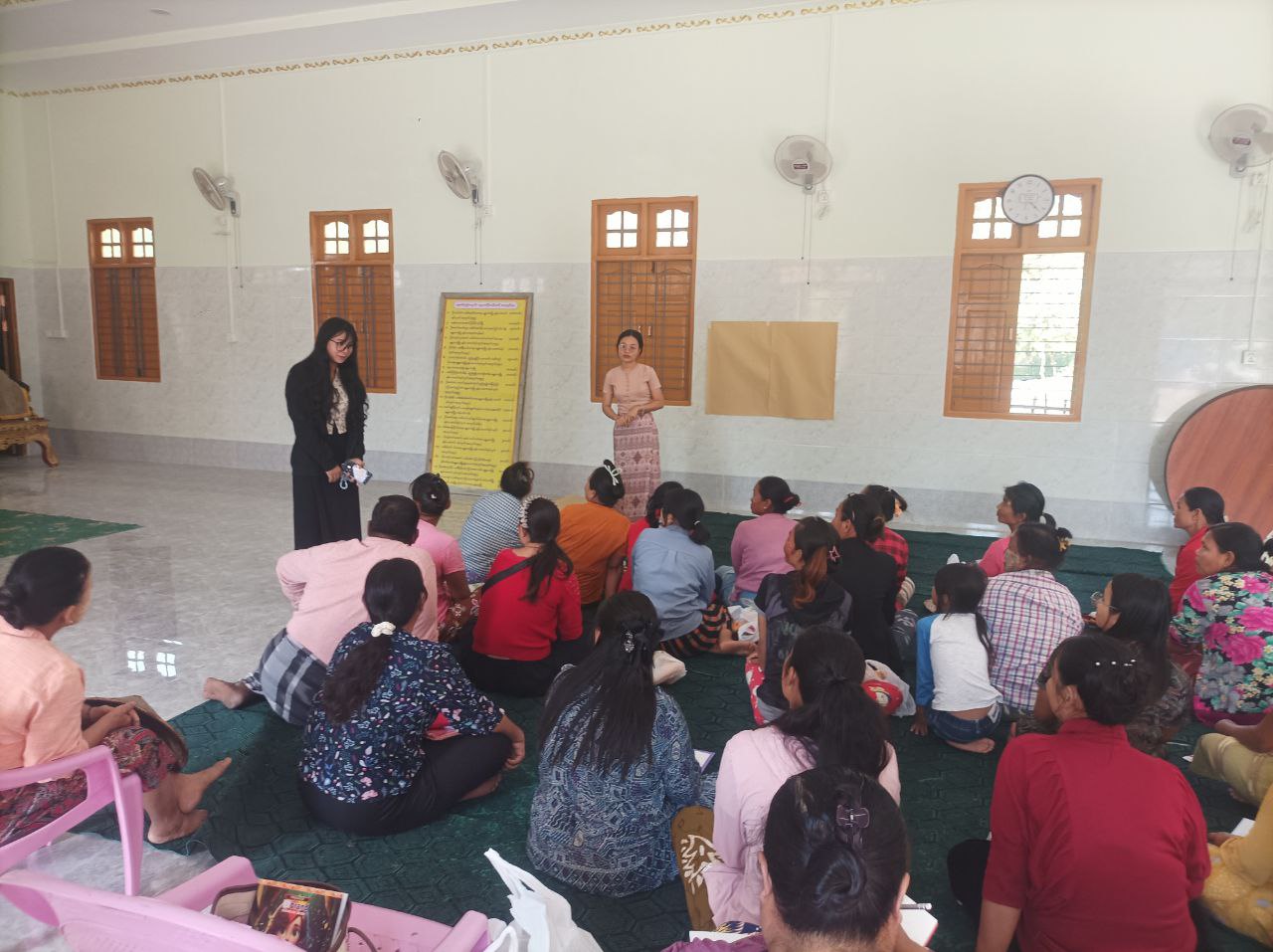
The CPiE (Child Protection in Emergencies) Project implemented by Open Hearts aims to safeguard and promote the well-being of children affected by the earthquake in targeted communities. In response to the urgent protection risks faced by children and families, the project delivers integrated child protection services to ensure safety, dignity, and psychosocial well-being.
Key interventions include the establishment of safe spaces, provision of psychosocial support (PSS), case management services for vulnerable children, awareness-raising on child protection and GBV risk mitigation, and capacity strengthening of community volunteers and caregivers. The project also works closely with local authorities, community leaders, and humanitarian partners to ensure coordinated and child-centered responses.
Through this initiative, Open Hearts seeks to reduce protection risks, prevent abuse and exploitation, strengthen family and community-based protection mechanisms, and enhance the resilience of children and their caregivers during the emergency recovery period.
CSEER Project Implementation – Open Hearts Organization
About the Project
The CSEER Project implemented by Open Hearts Organization aims to support crisis-affected communities through coordinated emergency response and early recovery interventions. The project focuses on restoring dignity, strengthening resilience, and addressing urgent protection and psychosocial needs of vulnerable populations.
Through integrated activities—including mental health and psychosocial support (MHPSS), protection services, gender-based violence (GBV) awareness, multipurpose cash assistance (MPCA), and community capacity strengthening—the project seeks to reduce immediate risks while promoting sustainable recovery. Special attention is given to women, children, persons with disabilities, elderly individuals, and other at-risk groups to ensure inclusive and equitable access to services.
By working closely with community leaders, local partners, and humanitarian coordination mechanisms, Open Hearts ensures that the response is context-sensitive, accountable, and aligned with humanitarian principles. The CSEER Project contributes to building safer, more resilient communities capable of recovering from shocks and future emergencies.
LAMP Project Implementation in Sagaing – Open Hearts Organization
About the Project
The LAMP Project implemented by Open Hearts in Sagaing Region aims to strengthen community resilience and protection mechanisms in crisis-affected and vulnerable communities. The project focuses on promoting psychosocial well-being, enhancing protection awareness, and supporting inclusive community-led recovery initiatives.
Through integrated interventions—including mental health and psychosocial support (MHPSS), protection and GBV risk mitigation, community awareness sessions, capacity building for local volunteers, and targeted assistance to vulnerable households—the project seeks to reduce risks, improve coping capacities, and foster safer environments for women, children, and marginalized groups.
By working in close coordination with community leaders, local stakeholders, and humanitarian partners, Open Hearts ensures that the LAMP Project is participatory, accountable, and responsive to local needs. The initiative contributes to building stronger, more resilient communities in Sagaing capable of withstanding and recovering from ongoing and future challenges.
Date 28 Feb 2026, OH MDY Office,
Warm greetings from Open Hearts Organization.
To strengthen our commitment to quality, transparency, and community-centered programming, Open Hearts will conduct an Accountability to Affected Population (AAP) Awareness and Capacity Building Session for all staff and volunteers.
This initiative aims to:
- Enhance understanding of AAP principles and commitments
- Strengthen community engagement and participation
- Improve feedback and complaints mechanisms (FCM)
- Promote transparency, inclusion, and do-no-harm approaches
- Ensure operational activities align with accountability standards
This session is part of our ongoing capacity development plan to ensure that all OH team members are equipped with the knowledge and practical tools necessary to implement accountable and responsive programming in the communities we serve.
Your active participation is highly encouraged, as accountability is a shared responsibility across all roles within the organization.
Further details regarding the schedule and venue will be shared shortly.

EORE Awareness Training Announcement
Open Hearts Organization is pleased to announce the upcoming in-person Explosive Ordnance Risk Education (EORE) Awareness Training, conducted in collaboration with relevant partners.
We are pleased to confirm our participation in the training as scheduled, with the following details:
Venue: Open Hearts Office
(Address: Between 103 and 104, 54A Street, Aung Pin Lal Ward, Chanmyatharzi Township, Mandalay)
Date: 26 February 2026 (Thursday)
Time: 1:30 PM – 4:30 PM
Language: Burmese
This training aims to enhance awareness and understanding of explosive ordnance risks, strengthen safety knowledge, and promote community protection practices.
Open Hearts Organization values continued collaboration and coordination with partners to ensure safe and informed communities.
For further information, please feel free to contact us.
Projects Category Two
1. Opening Session and Introduction The opening session was facilitated by the CFO, who delivered appreciation and positive remarks to implementing partners (IPs), followed by participant introductions in buddy pairs to foster a collaborative learning environment. Ground rules were agreed to promote open, active and respectful discussion. A total of 56 participants from more than 20 organizations attended the session, representing a diverse range of national and international NGOs, civil society organizations, and cluster coordination mechanisms. Participants represented offices from Mandalay, Yangon, Sagaing, Magway, Nay Pyi Taw, Pakokku, Nyaung Shwe, and Nyaung-U, with the majority based in Mandalay, reflecting the operational focus in the central and north-west regions. 2. Expectation from participants Using a participatory approach, participants shared their expectations for the workshop, with a strong focus on learning from partners’ disaster response experiences, particularly how challenges were addressed during the earthquake response. Participants were interested in discussing effective engagement with different actors, strengthening coordination with clusters, and improving referral pathways for better service delivery. They also highlighted the importance of technical support from UNICEF and other agencies, addressing operational bottlenecks, and enhancing advocacy efforts through cross-learning. In addition, participants emphasized the need to review best practices, lessons learned, and key drivers of successful response, while identifying areas to strengthen partner capacity, networking, and joint response mechanisms. The workshop was also expected to contribute to preparedness for future disasters, including developing security considerations, preparedness actions, and collaborative response plans to ensure more effective and coordinated humanitarian interventions in upcoming crises. 3. Reflection on Earthquake (EQ) Response Timeline Participants were divided into four groups, ensuring equitable representation across sectors, gender, disability, geographic areas, and levels of experience. The session reviewed the earthquake response t imeline to reflect on operational progress and identify key moments that influenced the effectiveness of the response. The timeline highlights that flexibility, localization, and strong coordination mechanisms were critical enabling factors throughout the response, while operational constraints—such as access limitations, funding delays, market fluctuations and prolong PD activation process —continued to shape the transition from emergency response to recovery. Key Milestones in Earthquake Response and Recovery 0-72 hours 1-4 weeks • Disrupt operational environment • Communication & info: gaps, • Agility, flexibility & adaptability • Importance of local actors 12-24 weeks Recovery Nexus • Access restriction is prominent • Prolong PD process • Flexibility is still key • Activation of contingency clause • Partnership with registered organizations • Preparedness & response Plan (simulation/drills) • Resource scarcity & inflation • Strengthen localization • Cash & banking issues • Fund delays • Local religious leaders coordination & support • Advocacy (Gov and local authorities) • Functional cluster coordination - Note: detailed discussion matrix is shown in Annex-1. 4. Sector Performance review ▪ Detailed information is requested by SAC ▪ Funding shortage & market price fluctuation ▪ Low Profile approach & low visibility ▪ Advocacy with various stakeholders ▪ Service providers in the locality ▪ Community resilience & participation The sector performance review highlighted several important lessons from the earthquake response. Overall, partners demonstrated strong capacity for rapid mobilization and delivery of life-saving services across sectors. WASH ensured timely water supply and supplies distribution and sanitation services, Child Protection provided case management and psychosocial support, Health and Nutrition rapidly deployed mobile health teams, and Education established temporary learning spaces and coordinated assessments. These early actions enabled critical support to affected populations during the immediate emergency phase. The response also benefited from strong coordination mechanisms and localization efforts. Sector coordination platforms, technical working groups, and collaboration with local civil society organizations helped align interventions and avoid major operational gaps. Community participation—including support from volunteers, local leaders, and religious networks—played an important role in facilitating service delivery, transportation, and outreach to affected communities. Despite these achievements, several operational and system challenges were identified. These included gaps in monitoring systems such as household water quality testing and beneficiary tracking, limited services in institutions, shortages of key supplies, and infrastructure constraints. In addition, delays in referral services, centralized decision-making processes, and coordination challenges occasionally reduced the efficiency of the response and led to overlapping assistance in some locations. The response also demonstrated innovative and adaptive practices that helped address operational constraints. These included local procurement of supplies, mobile outreach clinics, flexible logistics arrangements, community-supported facilities, and adaptive supply management approaches. Digital platforms and community networks were also used to support communication, coordination, and psychosocial support services. Moving forward, the review highlighted the importance of strengthening preparedness and integrated multi-sector coordination. Key priorities include improving supply pre-positioning, strengthening monitoring and data systems, expanding service coverage in institutions, and ensuring early integration of cross-cutting priorities such as PSEA, accountability to affected populations, disability inclusion, and mental health and psychosocial support. Strengthening these areas will help ensure more effective, inclusive, and coordinated responses to future emergencies. 5. Delivery Modalities Review During the workshop, participants discussed different operational modalities used to reach affected populations during the emergency response. These included: 1) partners’ direct responses, 2) engagement through SSPC structures, 3) collaboration with religious or charity groups, and 4) direct implementation by UNICEF. Each modality demonstrated specific advantages and limitations depending on the context, access conditions, and available resources. The key reflections from the discussion highlighted that no single modality was sufficient on its own. An effective emergency response requires a combination of modalities, leveraging the strengths of partners, local authorities, religious networks, and international organizations. Strengthening coordination, accountability mechanisms (including AAP and PSEA), and community engagement across these modalities will be critical to improving the effectiveness and inclusiveness of future humanitarian responses. 1. Partners’ Direct Response ▪ Approach: Partners responded independently using existing field presence, local networks, and contextual knowledge, often engaging religious leaders and extending ongoing projects to reach affected communities. ▪ Strengths: Enabled rapid and flexible responses, timely decision-making, and parallel needs assessments. Community acceptance was generally high due to strong local relationships. ▪ Limitations: Limited resources and operational scale sometimes restricted coverage, with constraints in supplies, staffing, and logistics. ▪ Risks: Safety and security concerns and challenges in crowd management during distributions. 2. Engagement through SSPC Structures ▪ Approach: Coordination through SSPC structures facilitated engagement with local authorities and government departments (e.g., GAD, DDM, DSW, DRD, MOE, MOH), enabling smoother operational access and fewer checkpoint challenges. ▪ Strengths: Improved accessibility, coordination, and visibility of humanitarian activities, with the potential to reach large-scale populations and strengthen localization. ▪ Limitations: Administrative procedures and approval processes could cause delays. Risks of aid diversion, misuse of resources, or bureaucratic constraints were also noted. ▪ Risks: Requires strong advocacy, networking, beneficiary verification, and timely information and report sharing as requested by authority. 3. Engagement with Religious and Charity Groups ▪ Approach: Religious and charity groups mobilized local volunteers and directly distributed assistance, leveraging strong community trust and local presence. ▪ Strengths: Enabled rapid assistance delivery and strong community acceptance due to close connections with affected populations. ▪ Limitations: Limited accountability mechanisms, possible religious or cultural bias in prioritization, and insufficient supply allocation. High volunteer workload sometimes affected reporting and coordination. ▪ Risks: Potential bias in beneficiary selection, uneven prioritization of assistance and weakness on due diligence. 6. Humanitarian Access Simulation (Role Play) The volunteer participants conducted a role-play exercise simulating an NGO team transporting WASH, CP, H&N, and Education supplies from the UNICEF Mandalay warehouse to Sagaing six months after the earthquake, navigating three checkpoints before reaching the distribution site. The exercise highlighted challenges such as checkpoint restrictions, documentation requirements, communication gaps, and risks of diverse use of supplies or unofficial payment requests during transits. Participants reflected on the ethical dilemma between maintaining humanitarian principles and addressing practical access barriers to reach vulnerable communities. While compromising on principles may risk undermining accountability and humanitarian standards, delays in access can also prevent life-saving assistance from reaching vulnerable populations, potentially worsening humanitarian and public health risks. Access was more feasible through prior coordination with local authorities, engagement with community leaders, advance understanding of the ground situation, and proper documentation. The team members’ effective negotiation and communication skills emphasized transparency, humanitarian principles, and collaboration with local stakeholders. The exercise underscored the importance of preparedness, coordination, understanding organizational policies and local context, and strengthening negotiation and communication capacity to ensure safe, principled, and timely humanitarian access. 7. Coordination and information management A real-time Mentimeter survey among 38 IP participants highlighted several coordination and information management challenges during the earthquake response. While coordination mechanisms supported collaboration and information exchange, the findings underscore the need to strengthen information management, improve data sharing, and enhance the engagement of local NGOs and CSOs to ensure more effective and equitable responses in future emergencies. A large majority (≈79%) reported that accessing critical information was difficult, including data on immediate needs of affected populations, organizations working in specific locations, beneficiary data disaggregation, and service availability in damaged facilities. While local CSOs and NGOs were involved in coordination mechanisms, about 87% indicated they were only partially included. The main coordination challenge identified was information sharing (≈66%), followed by communication gaps among partners (≈18%). Regarding preparedness, responses suggested that coordination systems were not fully ready prior to the emergency, with ≈45% reporting partial readiness and ≈39% indicating limited preparedness. During the earthquake response, about 58% of organizations actively participated in cluster coordination, and ≈58% reported that cluster meetings were accessible to most partners. Cluster coordination was perceived to have somewhat improved coordination among partners by ≈87% of respondents, while leadership and facilitation of meetings were rated moderately effective by ≈61%. Operational constraints were also noted. Participation in cluster meetings was limited mainly by time constraints (≈61%), and ≈61% reported that information sharing was sometimes delayed. Although ≈61% indicated that their organizations had adequate access to data for response planning, ≈68% reported limited coordination of data collection among agencies, which contributed to occasional duplication of assistance (≈63%). At the same time, ≈82% observed gaps in assistance coverage in some areas or communities. Cluster meetings were considered the most useful platform for information sharing and response planning (≈42%), followed by email and group messaging platforms (≈26% each). Based on the findings, participants reflected that the cluster coordination mechanism needs improvement. Key issues included limited participation, low-profile engagement due to confidentiality concerns (e.g., organization name, staff identity, location, and activities), and representation by only one focal person from some agencies, which sometimes led to overlapping meetings and delayed service mapping. Participants also emphasized the importance of ensuring the right technical representatives attend relevant cluster meetings. At the same time, cluster participation was recognized as valuable for providing access to updated information, technical support, supplies and resources, strengthened coordination and networking among actors, and potential funding opportunities. For future emergencies, participants recommended strengthening service mapping to minimize duplication and enhancing cluster-led capacity building, including preparedness planning and training for Emergency Response Teams (ERTs). It was also suggested that all agencies establish functional ERT systems—covering human resources, funding, and operational procedures—with regular updates to ensure effective preparedness and response. 8. preparedness (readiness) for next emergency The World Café facilitation session focused on preparedness for the next emergency, with discussions centered on five key areas: (1) coordination readiness, (2) access readiness, (3) supply readiness, (4) cash readiness, and (5) staffing readiness.